
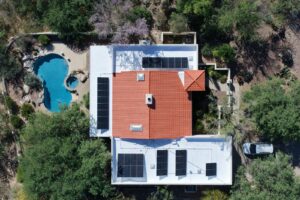
Your roof takes a beating in Tucson. The sun bakes it relentlessly for 300-plus days a year, monsoon season brings intense storms that cause hidden damage, and if you live in one of our older neighborhoods with tile roofs, you need to know what is happening up there. That is where a professional drone roof inspection comes in.
We are Desert Drones LLC, and we have inspected hundreds of roofs throughout Tucson using high-resolution drone cameras. Instead of sending someone up a ladder — which is dangerous and time-consuming — we get a complete aerial view of your roof in minutes. You see exactly what is happening: cracked tiles, missing shingles, debris buildup, or potential issues before they become expensive problems.
Most roofs in Tucson experience some degree of degradation every single year. Many homeowners do not discover problems until water appears inside their home. By that point, you are looking at water damage, mold, and repair costs that can easily reach thousands of dollars. A professional drone roof inspection catches problems while they are still minor and manageable.
Why Tucson Homeowners Need Regular Roof Inspections
Tucson’s climate is tough on roofs. The UV exposure alone is relentless — our intense desert sun breaks down roofing materials faster than almost anywhere else in the country. The sun’s rays literally degrade asphalt in shingles and cause tile glaze to crack and fade. Then there is monsoon season. A single haboob or heavy downpour can tear off loose tiles, clog gutters, and create water damage that spreads quickly through your attic and walls.
The temperature swings — baking hot during the day, cooler at night — cause constant expansion and contraction that stresses roofing materials year after year. Most homeowners do not think about their roof until something goes wrong. A small leak becomes mold. Loose tiles become structural damage. Regular drone roof inspections catch problems early, when they are still manageable and affordable.
We see this all the time in established Tucson neighborhoods like Barrio Viejo and throughout the surrounding areas. Many of these homes have older tile roofs or aging shingle systems that require regular attention.
Our Drone Roof Inspection Process
Here is how it works: You call us or schedule online, and we set up a time that works for you. We arrive with professional drones equipped with high-definition cameras that can zoom in close enough to spot small cracks, missing mortar, or debris buildup. Our cameras catch subtle color changes that indicate moisture problems or deterioration the naked eye would miss.
We fly the drone around your entire roof, capturing images and video from multiple angles and heights. We get close-up shots of specific areas you are concerned about and wide shots so you can see the overall condition. We also document the current state of your gutters, downspouts, and any vents or flashing that could be problem areas.
Within a few days, you get a detailed report with photos and recommendations in plain language. If it looks fine, we tell you. If we spot something that needs attention, we recommend next steps. Many clients keep these reports for their records and use them when filing insurance claims or talking with roofing contractors.
The Advantages Over Traditional Roof Inspections
Traditional roof inspections involve someone climbing a ladder and walking on your roof. That is dangerous, time-consuming, and hard on older tile roofs — walking on them can actually cause damage if the person is not careful.
A drone inspection eliminates all of that. No one walks on your roof. There is no risk of injury. We get a better view because we are looking down from above at multiple angles, not walking around on a narrow surface. And we can zoom in on specific details without putting anyone at risk. Most drone roof inspections take 15 to 30 minutes — faster than a traditional inspection and with better documentation.
What We Look For During Your Inspection
Our team examines several key areas during every drone roof inspection. We check for cracked, missing, or lifted shingles or tiles. We look at flashing around chimneys, vents, and skylights — these are common leak points. We assess gutter condition and debris buildup. We check for signs of water damage, algae growth, or moss on north-facing slopes.
We also look at overall structural integrity. Are there sagging areas? Signs of previous repairs? Is the roof near the end of its lifespan? We document all of this and give you a clear picture of what you are dealing with so you can make informed decisions about repairs and maintenance.
Roof Damage From Monsoon Season and Hail
Tucson’s monsoon season — June through September — creates specific risks. High winds can tear off loose tiles. Heavy rain exposes weaknesses in flashing and sealants. Hail can crack or dent materials. Wind speeds during a haboob can exceed 50 to 60 mph, enough to cause real damage to aging roofing systems.
After a major storm, we recommend getting a drone inspection to assess any damage before it causes interior problems. A drone inspection reveals damage that is not visible from the ground — torn tiles, loosened flashings, or debris damage that will eventually cause leaks. Insurance companies also appreciate this documentation. Clear before-and-after photos can make the difference when filing a claim.
Inspections for Older Homes Near the Rincon and Catalina Mountains
If you own one of Tucson’s beautiful older homes — maybe in Barrio Viejo or in the foothills near the Rincon Mountains or Catalina Mountains — your roof requires regular attention. Tiles shift, mortar deteriorates, and flashing can fail over time.
We work with homes throughout the Tucson foothills and surrounding areas. Homes in these areas often face different roofing challenges, including debris from nearby vegetation and weather patterns unique to higher elevations. Our inspections account for all of these factors and give you a complete picture of your roof’s condition.
How Often Should You Schedule a Roof Inspection?
We recommend a professional drone roof inspection every two to three years for most Tucson homes. Tucson’s harsh climate requires more frequent attention than milder climates. If your roof is older — over 15 years — consider annual inspections. The average roof lifespan in Tucson is 15 to 20 years due to UV exposure, so knowing the condition of an aging roof is critical.
If you are buying or selling a home, a roof inspection is especially valuable. It gives you solid information before making a major investment, or helps you address issues before listing. A recent inspection report shows buyers that the property is well-maintained and helps sellers avoid surprises during the buyer’s inspection period.
Affordable, Professional Drone Roof Inspections in Tucson
Our drone roof inspection pricing in Tucson is straightforward and fair. We charge a flat fee that includes the complete inspection, detailed photos, video, and a written report with recommendations. Most inspections cost less than a traditional roof inspection, and you get more information with less risk.
Your roof is one of your home’s most important systems. A professional drone roof inspection in Tucson gives you clear, detailed information about its condition so you can make informed decisions.
Ready to schedule? Contact Desert Drones LLC today. Whether you live near Saguaro National Park, in the University of Arizona area, or anywhere else in Tucson, we will make sure you know exactly what is happening on your roof. Call us now for a quote.