
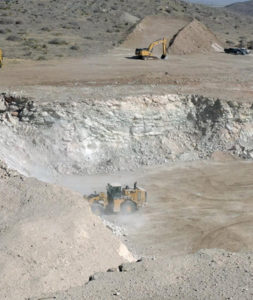
In today’s fast-moving building industry, contractors are increasingly turning to advanced aerial tools to protect their crews—and one of the most powerful innovations is the use of drones. This shift has made drone safety construction strategies essential to improving site oversight, preventing injuries, and increasing efficiency. For companies across the Desert Southwest, including those who partner with Desert Drones LLC, drones offer a smarter, safer, and more cost-effective way to manage hazardous work environments and keep job sites running smoothly.
Construction has always been a high-risk industry. From heavy machinery operation to work at height, tight deadlines, and unpredictable terrain, safety vulnerabilities can appear anywhere. Drone technology fills the gaps left by traditional monitoring methods, providing real-time aerial data, automated inspections, and accurate documentation that help crews avoid danger before it happens.
Below, we’ll explore how drones improve worker safety on construction projects, which safety challenges they solve, and why more contractors than ever are adopting drone technology in 2025 and beyond.
1. Reducing the Need for Dangerous Manual Inspections
One of the most immediate safety benefits of drones is their ability to perform inspections that would normally expose workers to serious risks.
Common high-risk inspections replaced by drones:
-
Rooftop inspections on uneven or unstable structures
-
Bridge and overpass evaluations
-
Cell tower or utility pole assessments
-
Confined space and elevated area surveys
-
Sloped terrain mapping and grading verification
Instead of sending personnel onto scaffolding, ladders, or elevated walkways, a drone can complete a full inspection in minutes—without risking a fall or requiring expensive safety equipment. The aerial perspective also provides a more complete visual record, making it easier for project managers to identify hazards early.
2. Enhanced Hazard Identification in Real Time
Real-time hazard detection is one of the most powerful contributions drone technology brings to construction safety.
Using high-resolution imagery and live video feeds, drones can spot:
-
Loose materials or tools at height
-
Open trenches or unstable ground
-
Crane interference zones
-
Unauthorized personnel in restricted areas
-
Faulty temporary structures
-
Weather-related threats, such as erosion or standing water
Because drones can cover large sites quickly, they serve as a mobile safety monitoring system, giving supervisors instant visibility into changing site conditions. This real-time aerial feedback helps teams respond to hazards before they become incidents.
3. Emergency Response and Incident Documentation
When emergencies occur on a construction project, rapid response can make the difference between a minor injury and a major accident. Drones can reach an area of concern much faster than ground personnel, providing a live overhead view that helps emergency teams deploy correctly and avoid unnecessary risks.
Drones assist emergency response efforts by:
-
Mapping safe entry and exit routes
-
Identifying fire sources or electrical hazards
-
Pinpointing injured workers
-
Tracking hazardous material spills
-
Coordinating rescue operations with real-time visuals
After an incident, drones also support the investigation process. They deliver accurate, timestamped imagery that documents site conditions, equipment placement, and environmental factors. This leads to clearer reporting and helps companies refine their future safety protocols.
4. Improving Communication and Worker Awareness
Modern construction projects involve multiple subcontractors, overlapping tasks, and rapidly shifting site layouts. Communication failures are a major contributor to workplace accidents. Drones reduce this risk by giving teams better situational awareness.
Drone data improves worker safety communication through:
-
Updated aerial maps
-
Progress videos
-
3D models and digital twins
-
Regular site-wide safety briefings using drone imagery
Clear, visual communication helps workers understand the locations of hazards and how their tasks fit into the bigger picture. This is especially valuable for new hires or subcontractors unfamiliar with the site.
5. Monitoring Compliance With Safety Protocols
Safety procedures only work when they’re followed. Supervisors can’t be everywhere at once—but drones can help cover more ground with less effort.
Drones support safety compliance by monitoring:
-
Proper PPE usage
-
Barricade and signage placement
-
Equipment staging and operator safety
-
Proper fall-arrest setups
-
Vehicle and pedestrian traffic flow
Aerial documentation makes it easier to identify unsafe behavior, retrain workers when necessary, and demonstrate regulatory compliance during audits.
6. Reducing Equipment-Related Accidents
Heavy machinery—cranes, bulldozers, excavators, trucks—is a major source of construction-related injuries. Drones help reduce equipment collisions and mechanical hazards.
How drones help machinery operators stay safe:
-
Aerial traffic oversight to prevent congestion
-
Visibility into blind zones
-
Monitoring for unauthorized personnel or obstacles
-
Ensuring equipment is operated within designated boundaries
Drone mapping also helps with accurate layout and grading, which ensures equipment operates on stable terrain and reduces the chance of rollover accidents.
7. Enhancing Worker Training Through Aerial Footage
Training new workers with clear, real-world examples makes job sites safer for everyone. Drone footage can be used to:
-
Demonstrate safe vs. unsafe work behavior
-
Show how equipment moves in real time
-
Provide a visual overview of site logistics
-
Walk workers through emergency routes
-
Document proper assembly of scaffolding and temporary structures
This visual education is especially useful for younger workers entering the construction industry who may have limited hands-on experience but high familiarity with digital media.
8. Streamlining Site Access and Perimeter Security
Construction sites in the Desert Southwest frequently deal with theft, vandalism, wildlife intrusion, and unauthorized entry. Drones can quickly survey perimeter fencing and detect breaches, reducing the risk of nighttime hazards and protecting workers from hazardous conditions caused by intruders or tampering.
Infrared drones can also check for heat signatures that may indicate electrical faults, overheating machinery, or unsafe nighttime activity on site.
9. Supporting Environmental Safety and Compliance
Environmental hazards—dust storms, air quality issues, unstable desert soil, and excessive heat—are common in the region. Drones can monitor these conditions and alert supervisors before they become dangerous.
For example, drones can detect:
-
Shifting soil near trenches
-
Dust concentrations affecting visibility
-
Heat risks during summer months
-
Standing water after monsoons
-
Erosion near foundations
These early warnings protect both workers and the long-term integrity of the project.
10. Helping Contractors Meet OSHA Standards
Drone technology aligns perfectly with OSHA requirements for hazard mitigation, site documentation, and safety inspections. While drones don’t replace the need for trained safety personnel, they enhance their capabilities and help contractors stay ahead of compliance challenges.
By delivering accurate, repeatable, and time-stamped data, drones make it easier to:
-
Track safety milestones
-
Record safety observations
-
Verify corrective actions
-
Maintain thorough documentation for audits
This proactive approach helps contractors reduce violations and maintain a safer work culture overall.
Conclusion: Why Drones Are Becoming Essential for Construction Safety
As construction projects continue to grow in complexity, efficiency demands, and safety expectations, drones have become one of the most effective tools for preventing workplace injuries. They deliver real-time insights, reduce the need for dangerous inspections, support emergency response, and enhance site-wide communication.
For contractors across the Desert Southwest, Desert Drones LLC provides the professional aerial services needed to integrate drone safety technology into everyday operations. With the right drone partner, construction companies can protect their workers, lower risks, and stay ahead of evolving safety standards.
Contact Desert Drones LLC
Phone: (520) 214-8133
Website: desertdronesllc.com
Instagram: https://www.instagram.com/desertdronesllc
Email: JOHN@DESERTDRONESLLC.COM