
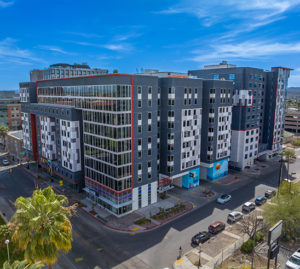
The construction industry has rapidly embraced drone technology for surveying, inspections, progress tracking, and marketing—but flying drones on job sites isn’t as simple as launching and recording footage. Understanding FAA Part 107 construction regulations is essential for contractors who want to use drones legally, safely, and effectively. At Desert Drones LLC, we work closely with construction professionals across the Southwest to ensure every drone operation is compliant with Federal Aviation Administration (FAA) rules while delivering actionable aerial data and visuals.
This guide breaks down exactly what contractors need to know about FAA Part 107, why it matters for construction projects, and how working with a licensed drone service provider protects your business from liability and costly mistakes.
What Is FAA Part 107?
FAA Part 107 is the federal regulation governing commercial drone operations in the United States. Any time a drone is flown for business purposes—including construction inspections, site documentation, mapping, or marketing—the flight must comply with Part 107 rules.
For contractors, this means:
-
Drones used on job sites are considered commercial aircraft
-
Operators must meet specific licensing and safety requirements
-
Flights are subject to airspace restrictions and operational limitations
Failing to follow Part 107 regulations can result in fines, project delays, insurance issues, and legal exposure.
Why FAA Part 107 Matters in Construction
Construction sites are complex, high-risk environments. Cranes, heavy machinery, workers, temporary structures, and evolving layouts make drone compliance even more critical.
Here’s why FAA Part 107 construction compliance is especially important:
1. Worker Safety
Drones must be operated responsibly on active job sites. FAA rules help reduce risks and ensure aerial operations do not interfere with crews or equipment.
2. Legal Liability
If an unlicensed operator causes property damage or injury, contractors may be held responsible—even if they didn’t personally fly the drone.
3. Insurance Coverage
Most commercial insurance policies require drone operations to comply with Part 107. Non-compliant flights may void coverage.
4. Professional Credibility
Developers, municipalities, and large general contractors increasingly require proof of FAA compliance before approving drone operations.
Who Needs an FAA Part 107 License?
Under FAA rules, anyone flying a drone for construction-related purposes must hold a Part 107 Remote Pilot Certificate.
This includes:
-
Construction companies flying their own drones
-
Project managers capturing site progress
-
Marketing teams filming job sites
-
Surveyors and inspectors using aerial data
-
Third-party drone service providers
At Desert Drones LLC, all pilots are fully Part 107 certified, so our clients never have to worry about licensing, testing, or regulatory compliance.
Key FAA Part 107 Rules Contractors Should Know
1. Commercial Purpose Rule
If a drone flight supports a construction business in any way—documentation, inspections, measurements, or promotion—it falls under Part 107.
2. Visual Line of Sight (VLOS)
The drone must remain within the visual line of sight of the pilot or a visual observer at all times.
Why this matters on construction sites:
-
Tall structures can block visibility
-
Large sites require careful positioning
-
Multi-phase builds may require multiple launch points
3. Maximum Altitude
-
Drones may not exceed 400 feet above ground level
-
Exceptions exist when flying near tall structures (within 400 feet of the structure)
This rule is especially relevant for:
-
High-rise construction
-
Tower cranes
-
Multi-story commercial builds
4. Airspace Authorization
Many construction projects are located near:
-
Airports
-
Military bases
-
Controlled airspace (Class B, C, D, or E)
FAA authorization may be required before flying.
Professional drone operators:
-
Check airspace before every flight
-
Request LAANC authorizations when needed
-
Coordinate with local authorities if required
Common FAA Part 107 Mistakes Contractors Make
Even well-intentioned contractors often run into compliance issues. Some of the most common mistakes include:
-
Letting an employee “just fly a drone” without certification
-
Assuming recreational drone rules apply to job sites
-
Flying near controlled airspace without authorization
-
Failing to document flights and maintenance records
Partnering with Desert Drones LLC eliminates these risks entirely.
FAA Part 107 and Construction Inspections
One of the biggest benefits of compliant drone use is inspection efficiency.
Drones allow contractors to:
-
Inspect roofs, facades, and towers safely
-
Identify issues early
-
Reduce the need for scaffolding or lifts
-
Document progress for stakeholders
Because inspections often occur around heavy equipment and evolving structures, Part 107 compliance is essential for lawful and safe operations.
FAA Part 107 and Construction Progress Tracking
Aerial progress tracking is becoming standard across the construction industry.
With compliant drone flights, contractors can:
-
Capture consistent site updates
-
Compare progress over time
-
Improve communication with owners and investors
-
Resolve disputes with visual documentation
Desert Drones LLC specializes in repeatable, consistent construction flights that align with FAA rules while delivering reliable results.
Construction Marketing and FAA Compliance
Marketing footage is one of the most common—and most regulated—uses of drones in construction.
If drone footage is used for:
-
Websites
-
Social media
-
Proposals
-
Investor presentations
…it must be captured under FAA Part 107.
Hiring a licensed drone provider ensures:
-
Legal commercial usage rights
-
Professional-quality visuals
-
No risk of regulatory violations
Why Contractors Should Hire a Part 107 Drone Service Provider
Managing drone compliance internally can be time-consuming and risky. Many contractors choose to work with professionals instead.
Key benefits include:
-
Fully licensed pilots
-
Airspace authorization handled for you
-
Commercial insurance coverage
-
Reduced liability
-
High-quality deliverables
Desert Drones LLC operates as an extension of your construction team—focused on safety, compliance, and efficiency.
The Future of FAA Part 107 in Construction
FAA regulations continue to evolve as drone technology advances.
Future developments may include:
-
Expanded operational permissions
-
More streamlined airspace approvals
-
Increased enforcement on job sites
-
Higher compliance expectations from project owners
Contractors who understand FAA Part 107 construction requirements today will be better positioned to adopt new drone capabilities tomorrow.
Final Thoughts
Drones are now a standard tool in modern construction—but compliance is non-negotiable. Understanding FAA Part 107 regulations protects contractors from legal risk, improves job site safety, and maximizes the value of aerial data.
By working with a trusted, fully licensed provider like Desert Drones LLC, contractors gain all the benefits of drone technology without regulatory headaches.
Contact Desert Drones LLC
Need FAA Part 107–compliant drone services for your construction project?
📞 Phone: (520) 214-8133
🌐 Website: desertdronesllc.com
📸 Instagram: https://www.instagram.com/desertdronesllc
✉️ Email: JOHN@DESERTDRONESLLC.COM