
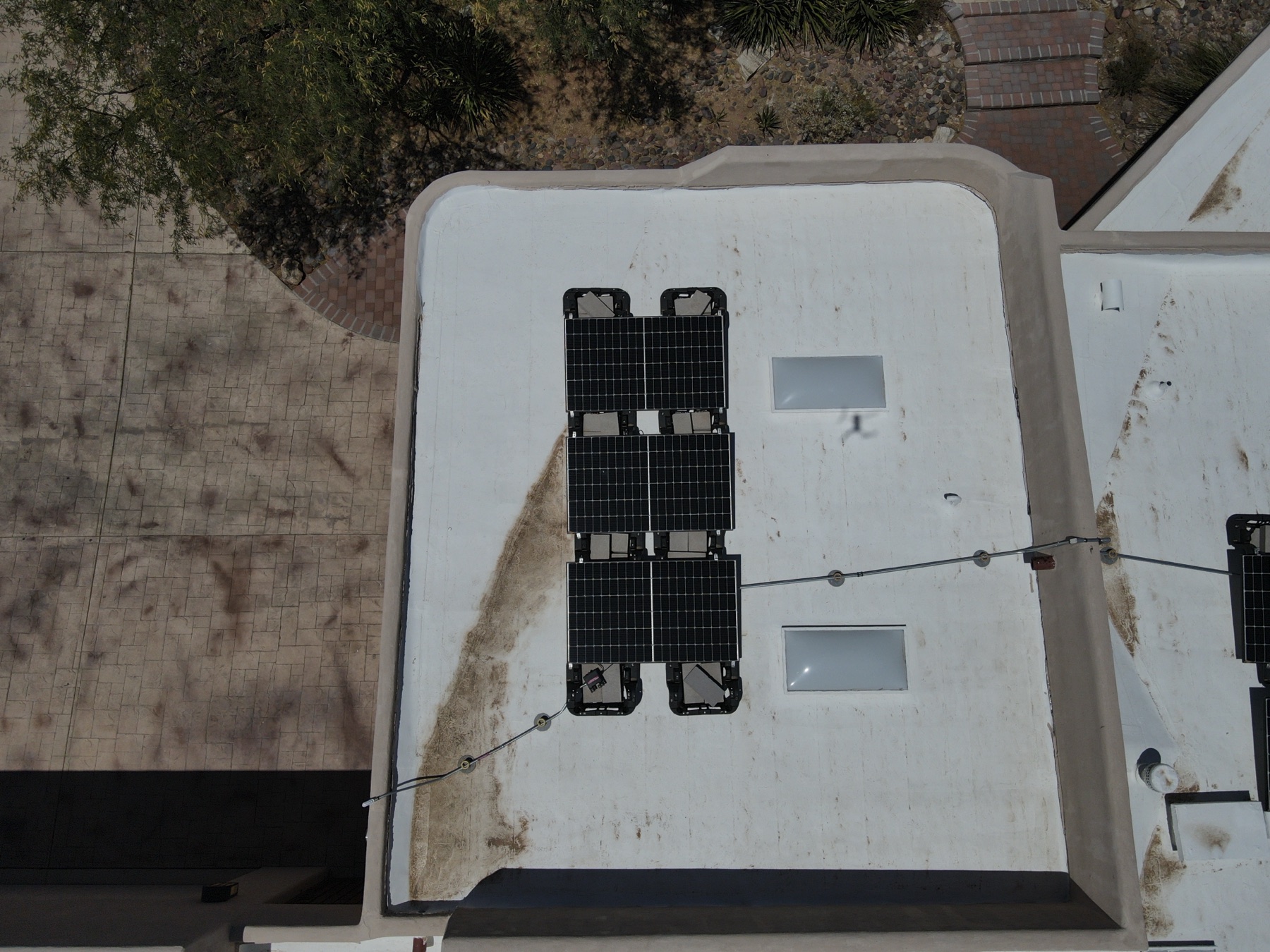
If you’ve got solar panels soaking up that Tucson sun, you probably know how hard they work out here. A drone solar inspection in Tucson is the clearest way to see how they’re really holding up. Between the intense summer heat and our famous monsoon dust storms, your panels are dealing with a lot. But here’s the thing — you can’t just eyeball whether they’re performing at their best. A solar panel can look fine from the ground while hidden damage is eating into your energy production and your wallet.
That’s where drone solar inspection in Tucson comes in. Our full inspection service lineup covers exactly this kind of work. Thermal imaging from the air catches what human eyes miss: hot spots from failing cells, soiling patterns from dust, water damage, and electrical issues. Whether you’re tied to APS (Arizona Public Service) or TEP (Tucson Electric Power), a professional thermal inspection gives you the real picture of what your investment is actually doing.
Why Thermal Imaging Matters for Your Solar Array
You’ve probably heard the term “thermal imaging” before, but what does it actually mean for your panels? It’s simple: we fly a specialized drone equipped with an infrared camera over your array. That camera doesn’t see the way your eyes do — it reads heat. Every solar panel should be roughly the same temperature when operating normally. When one cell or one section of your array is hotter than it should be, that thermal signature tells us something’s wrong.
Those hot spots could mean a lot of different things. Maybe a cell has internal damage from manufacturing defect or age. Maybe there’s delamination happening — where the protective layers are starting to separate. Or perhaps moisture has worked its way in, causing corrosion. Without thermal imaging, you wouldn’t know any of this was happening until your energy bill showed the damage or the panel failed entirely.
The beauty of this approach is that it’s non-destructive, precise, and way faster than climbing up there manually. In one flight, we get data on your entire array — whether that’s a residential system in Oro Valley or a commercial installation in Marana. And because Tucson’s summer sun and monsoon season are so intense, annual or bi-annual inspections make real sense.
Common Issues We Find on Tucson Solar Panels
Living in the Sonoran Desert means your panels face specific challenges. We’re not just talking about the obvious dust and debris — though our monsoon winds definitely stir that up. Over years of inspecting solar arrays across Tucson and the surrounding areas, we’ve seen patterns.
Hot spots from cell degradation are common, especially on older systems. Potential Induced Degradation (PID) can develop over time, particularly in humid conditions — and yes, our monsoon brings plenty of moisture. We see soiling patterns where dust accumulates unevenly, especially after a dust storm. We also spot junction box issues, inverter problems that show up in thermal data, and occasionally water ingress.
One thing people don’t always expect: shading from nearby trees or structures will show up clearly in thermal imaging, and sometimes it reveals that your system wasn’t ideally installed. The Catalina Mountains to the north can cast shadows at certain times of year. Saguaros on your property might be blocking afternoon sun. A good thermal inspection shows you exactly where energy is being lost, and sometimes that info leads to better pruning or repositioning decisions.
The longer your panels have been up, the more likely you are to find something. But even relatively new systems can have manufacturing defects or damage from hail or monsoon events.
How APS and TEP Customers Benefit from Inspections
Arizona’s two major power providers in this region — APS and TEP — don’t typically require regular thermal inspections, but they do care about system performance and safety. If your solar system is underperforming, APS or TEP will know it through their monitoring. But you’ll know it first with thermal data in hand.
Some insurance policies also favor regular inspections. If something fails and you’ve got inspection records showing you caught a problem early, you’re in a stronger position. It also helps if you ever need to file a warranty claim on panels or equipment.
For commercial systems connected to either utility, thermal inspections can be part of your preventive maintenance strategy. A small commercial array in downtown Tucson or out in Vail benefits from the same logic: catch problems before they cost you money in lost production or emergency repairs.
Drone Solar Inspection Tucson: What the Process Looks Like
Here’s what actually happens when we show up to inspect your solar array:
First, we scout the location and plan the flight. We’re looking for obstacles, understanding the array layout, and noting any visible damage or debris. We check weather — wind, clouds, sun angle all matter for getting good thermal data.
Then we fly. Our FAA-certified pilots operate the thermal drone at the right altitude and angle to capture every section of your array. We’re collecting both visible-light and infrared video, sometimes multiple passes depending on the size of the system.
Back in the office, we process that data. We’re looking at thermal patterns, comparing cell temperatures, documenting anything unusual. We generate a detailed report with thermal images, an explanation of any issues found, and recommendations.
That report is yours to keep. You can share it with your electrician, your solar company, your insurance agent, or anyone else who needs to know the condition of your system.
What Happens After We Find a Problem
Finding an issue during a drone solar inspection in Tucson is actually good news. It means you’ve caught it before it becomes catastrophic.
If we find a hot spot, your next step depends on what it is and how severe. Sometimes a hot spot is minor — maybe just heavier soiling on that section. Cleaning might fix it. Other times, it points to a failing cell that’ll need a panel replacement. Your solar installer can assess and handle that.
We document everything with clear thermal images so your installer knows exactly where to look. We’ll also provide recommendations based on what we’re seeing — maybe “monitor this area” or “recommend replacement within six months” depending on severity.
Some issues are electrical rather than physical damage. If there’s a problem with the inverter or the combiner box, thermal imaging can point to it, and then an electrician can dig deeper. The point is, you’ve got actual data now instead of guessing.
Protecting Your Investment in Arizona’s Desert Climate
Your solar panels are an investment in your Tucson home or business. The Rincon Mountains to the east, the Sonoran Desert stretching in every direction — this is intense sun, and your panels are working hard out there.
Between the summer heat that regularly hits 115 degrees, the dramatic monsoon season that brings both dust and moisture, and the general wear from years of exposure, regular inspection makes sense. It’s the same logic as getting an annual car inspection — you’re looking for problems before they strand you.
One inspection might cost a few hundred dollars. Missing a failing cell for a year could cost you hundreds in lost energy production. That math is pretty straightforward.
DIY Monitoring vs. Professional Thermal Inspection
Your inverter probably has built-in monitoring software. You can log in and see your array’s overall output. That’s useful data, and we always recommend checking it. But it’s like the difference between a tire pressure light on your dashboard and actually taking your car to a mechanic.
The monitoring system tells you something’s wrong. A professional thermal drone inspection tells you exactly what’s wrong and where. You can’t see inside a solar cell with monitoring software. You can’t catch internal degradation or moisture damage or delamination without thermal imaging.
Some owners also try to inspect their arrays manually — climbing up with binoculars, looking for visible cracks or debris. That’s risky, and it still doesn’t show you the electrical or thermal problems that thermal imaging catches. Plus, professional inspection from a drone is actually safer and faster.
Scheduling Your Drone Solar Inspection in Tucson
Ready to know for sure how your system is performing? The process is straightforward. You reach out, tell us about your array — size, location in Tucson or surrounding areas like Marana, Vail, or Oro Valley, age of the system — and we schedule a time that works.
We handle all the flight planning and safety protocols. We’re FAA-certified to operate drones commercially, we’ve got liability insurance, and we follow all regulations. We show up, fly, process the data, and get you a report.
The turnaround is usually just a few days from the inspection date to having your full report in hand. If we’re inspecting a larger commercial array, maybe a week. But you’ll get actionable information about the actual condition of your system.
Taking Action Based on Your Inspection Results
Once you’ve got your thermal inspection report, what’s next? That depends on what we found, but here’s how most people proceed:
If it’s minor soiling or shading, maybe you just adjust maintenance or consider cleaning. If there’s a failing panel or two, you’ve got documentation to make a warranty claim or budget for replacement. If there’s an electrical issue, you bring in your electrician with the data already in hand.
The key is that you’re not operating in the dark anymore. You’ve got a professional assessment of your solar investment, and you can make decisions based on facts instead of guessing.
If you’re interested in exploring what our solar inspection services can reveal about your Tucson system, we’re here to help. Whether you’re in the city proper or out toward the foothills, whether you’ve got a small residential array or a substantial commercial installation, thermal inspection makes sense.
Tucson’s solar energy potential is real. The sun here is relentless and generous. Your panels should be performing like champions. If you want to know whether they actually are, let’s take a look from above.
Ready to schedule a drone solar inspection for your Tucson property? Reach out to Desert Drones LLC today for a quote. We’ll give you the thermal data you need to make smart decisions about your solar system. Visit https://desertdronesllc.com/ to request an inspection or get in touch with our team.