
A steel-decking manufacturer in Glendale needed a close look at the overhead crane runway beams, columns, brackets, and rail spur inside a working plant, without a lift in the aisles or a production stop. Desert Drones flew the inspection indoors, under the crane rails, while the plant kept running.
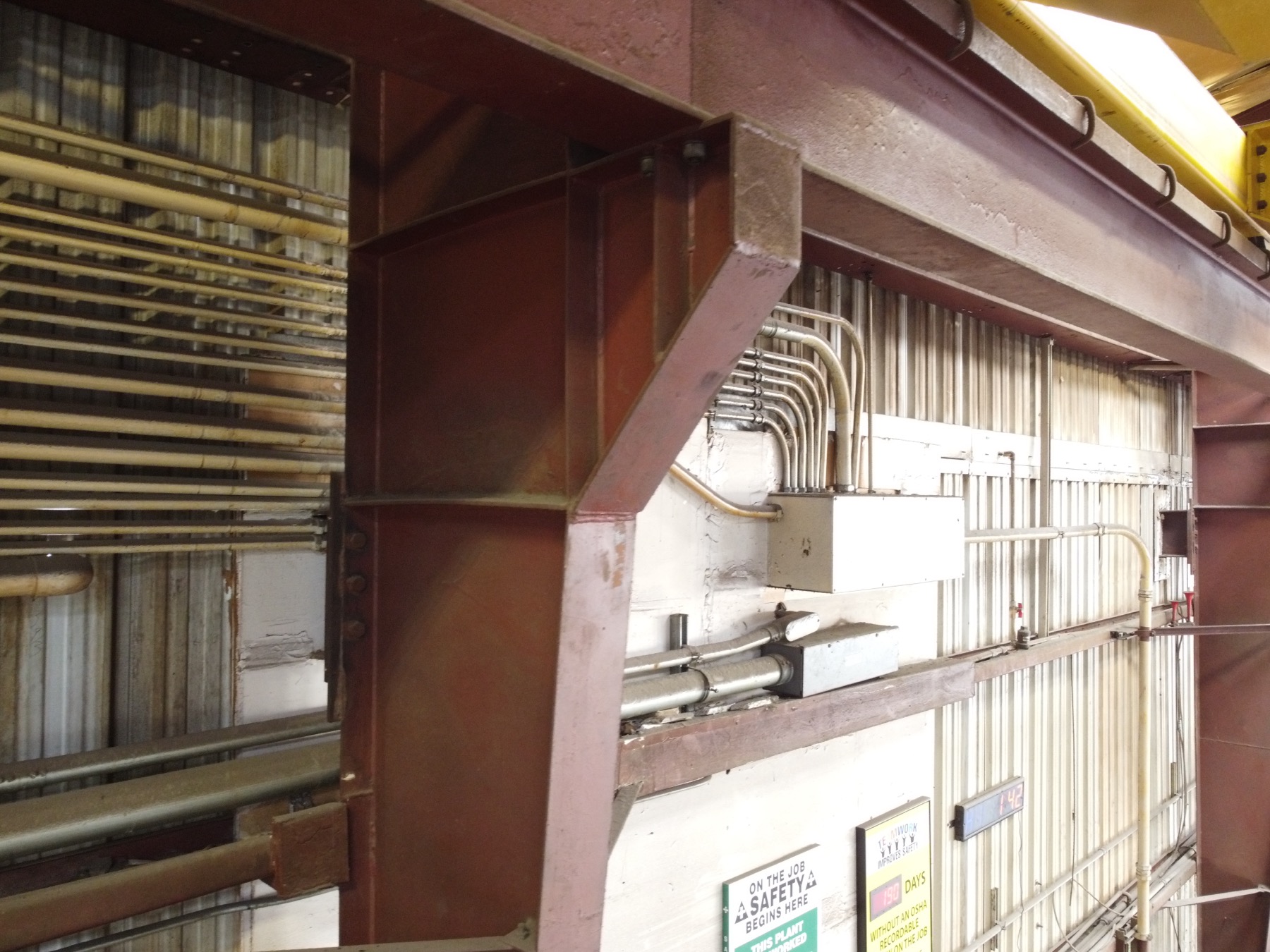
A steel-decking manufacturer with multiple overhead crane bays running the length of the building, coils and finished decking staged on the floor, and a rail spur outside for inbound coil. The runway beams, brackets, and rail clips sit well above forklift height and are only reachable from a lift, which would have meant clearing aisles and pausing production in each bay.
Inside a steel building there is no GPS, so the inspection was flown manually on the aircraft's vision positioning, bay by bay, with a spotter and the plant's safety lead coordinating crane movement. The pilot flew close passes along each runway beam, photographing clip spacing, welds, brackets, and bolted connections, then nadir frames down each rail. Exterior passes covered the rail spur and loading side. Every photo was tagged to its bay and column line as it was shot, so the set was already organized when it reached the engineer.
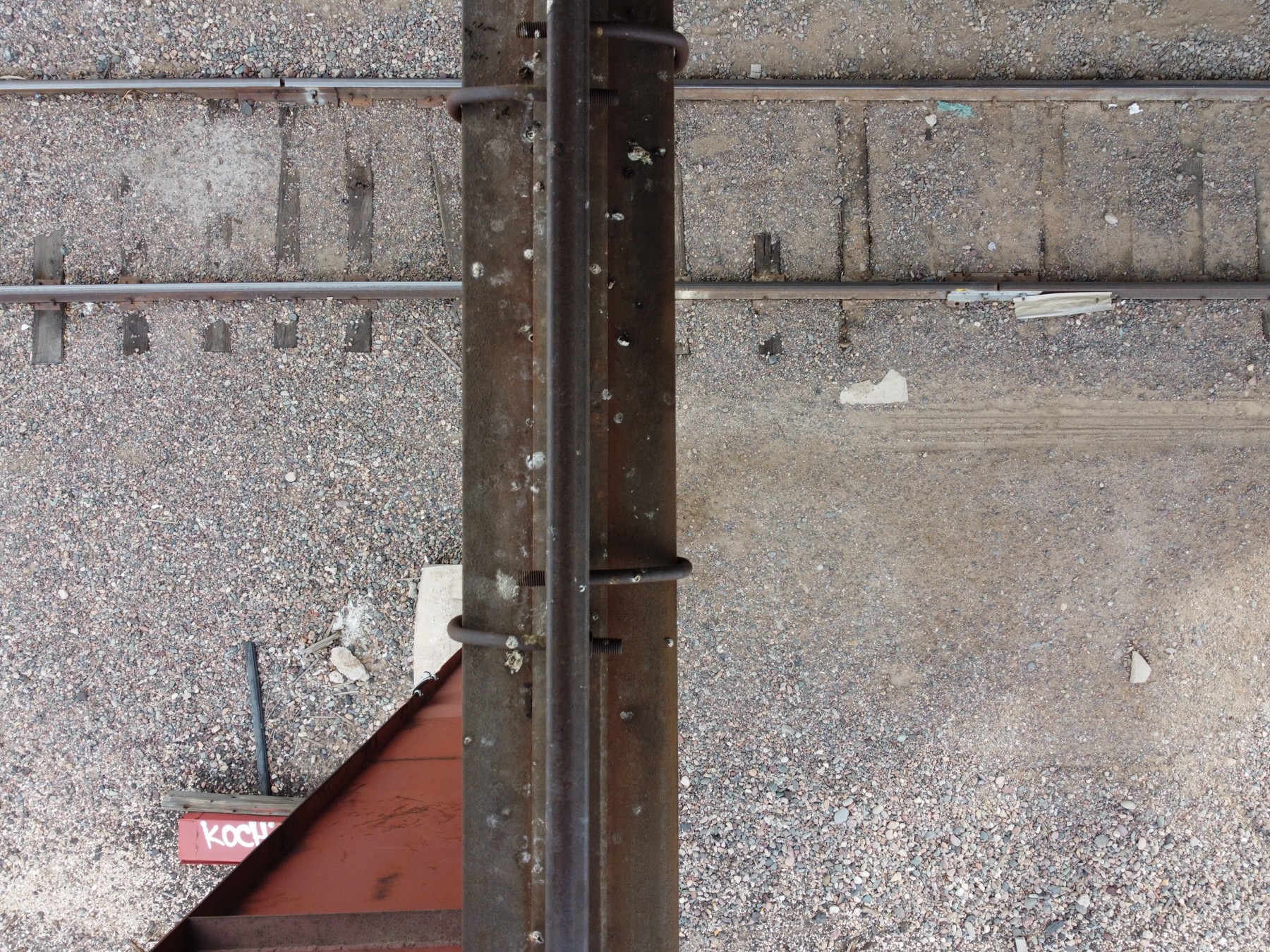
417 high-resolution inspection photos organized by bay and column line, 4K video passes along each runway, and an annotated set of items worth a closer hands-on look. The engineer used it to decide where a lift was actually needed instead of inspecting every connection in the building from a basket.
An indoor drone inspection documents an entire crane runway in a day with production running, instead of a week of lift rentals, aisle closures, and bay-by-bay shutdowns. The photo set also becomes the baseline for the next inspection cycle, so changes at a clip or weld are visible instead of remembered.
Every flight is by an FAA Part 107 certified, insured pilot. Tell us where the asset is and what you need back.